

Get the latest
Sign up to our newsletter to be the first to know about our latest news & offers

Need your badges fast? We can send you your order the very same working day.
Woven Vs Embroidered Badges: Complete Guide To Choosing The Right Badge Type For Your Organisation
20 th May 2026
Whether you're planning a fundraising campaign, an anniversary event, or a new reward scheme for volunteers, the type of badge you pick matters. Two of the most common choices you'll come across are woven badges and embroidered badges.
At first glance, they might look similar, but they're made very differently. Each style has its own unique strengths. Picking the right one depends on your design and how the badge will be used. If you've ever felt confused by the options, don't worry. We’ll help you understand the differences so you can make a choice that fits your budget and your vision.
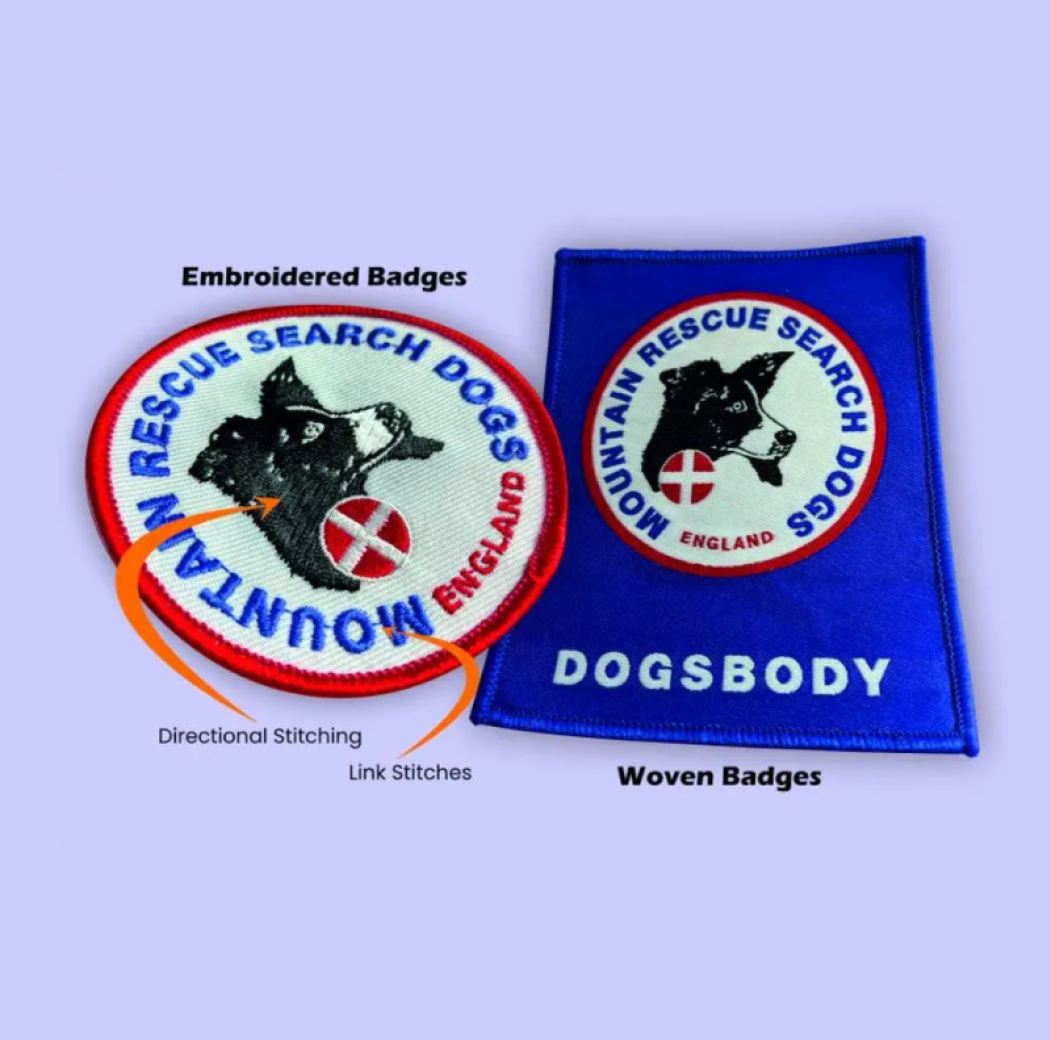
The main difference lies in how the badge is created. Embroidered badges are made by stitching thick threads over the top of a background material, usually a fabric called twill. This gives the badge a textured, 3D look and feel. Because the thread sits on top of the base, it's quite chunky and bold.
Woven badges are created by weaving the background and the design together at the same time on a loom. This results in a much flatter, smoother finish. Because the threads used in weaving are thinner than embroidery threads, you can achieve a much higher level of detail.
If your charity logo has very small text or intricate images, woven cloth badges are usually the best way to go. Because the weave is tight and flat, it can replicate complicated artwork that embroidery simply can't handle. If you have a complex crest or a design with many different shapes, woven ensures every part of the image is clear.
Another point to consider is the colour. Woven badges often allow for a wider choice of shades and cleaner transitions between them, although embroidered thread tends to be more vibrant in colour. Woven badges allow up to 12 colours in the design (9 onwards is at an extra cost). Embroidered badges allow the number of colours to be unlimited. (10 colours onwards at an extra charge)
There's something very classic about embroidered badges. They have a traditional, high-quality feel that many people love for commemorative events or formal uniforms.
Embroidered badges designs are great for simple logos, large text and bold shapes. Because the badge is thicker, it feels substantial in your hand. This tactile quality makes it a great choice for items that people might want to keep as a souvenir or wear on a jacket or sweatshirt.
When you're ordering items for volunteers or youth groups, you have to think about how well they'll last. Generally, embroidered badges are slightly more durable when it comes to repeated washing. The thick stitching is very tough and holds up well to wear and tear.
Woven options are also durable, but because they're thinner, they don't have that same heavy-duty feel. However, they're perfectly fine for most charity uses, especially for reward badges that might be sewn onto a bag or blanket rather than a garment that goes in the wash on a regular basis.
One practical thing to think about is how you'll actually attach the badge onto a piece of clothing. Because embroidered badges are thicker and have that extra layer of background twill, they can be a bit harder to sew on by hand.
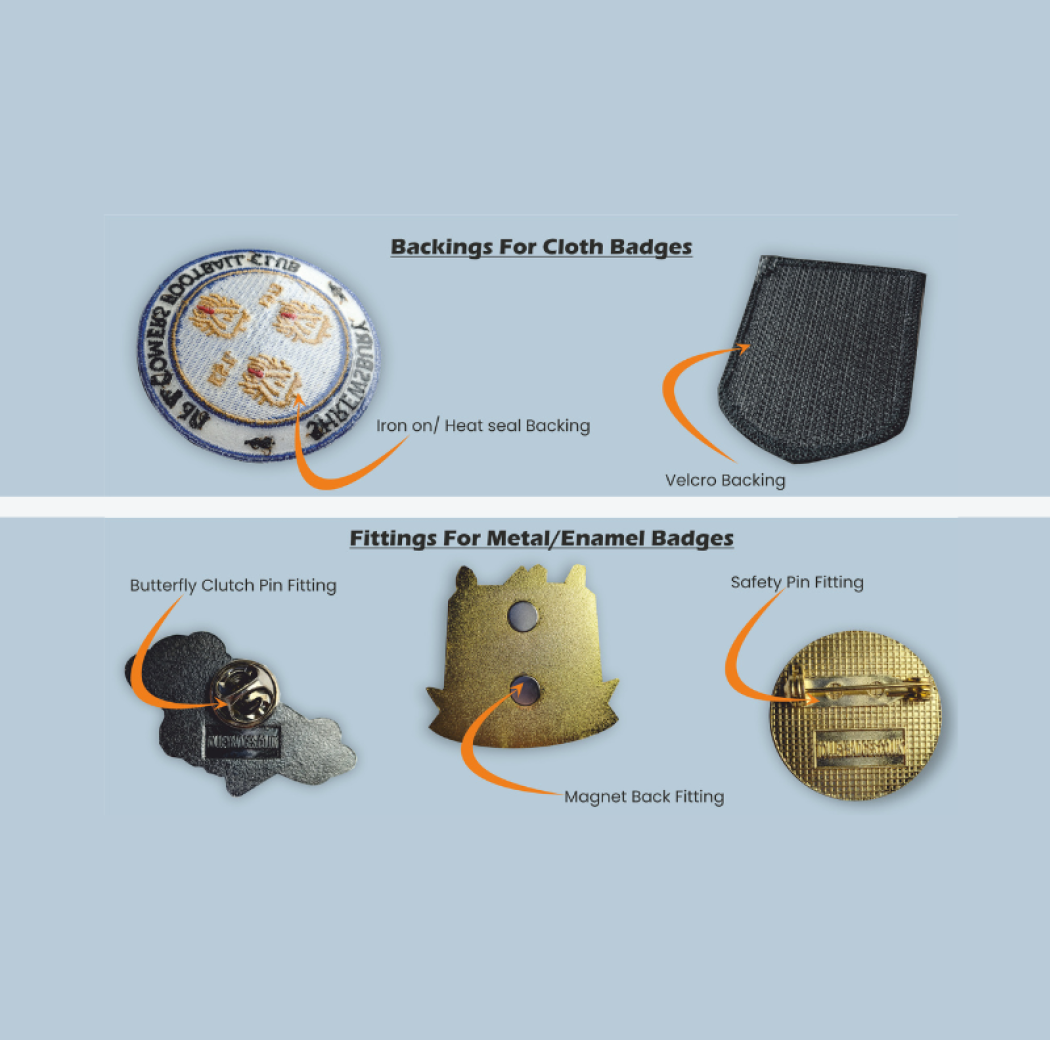
Both types of badges can be made with different backings, such as:
1. Iron-on backing for quick application.
2. Velcro backing for removable badges.
3. Self-adhesive backing for one-off events.
Choosing the right attachment is just as important as the badge type itself to ensure your supporters actually use them.
If you're leaning toward embroidery, there's a small technical detail you should know about called link stitches. When an embroidery machine moves from one letter to the next, it leaves a tiny thread between them. In some designs, these are visible.
If link stitches impact your design, these can be reduced in visibility by moving letters closer together at no extra cost, or eradicating but cutting the link stitches out by hand, doing so sometimes involves extra work and cost. This is another reason why people often choose woven badges for text-heavy designs, as weaving doesn't require these link stitches at all, leaving you with perfectly clean lettering every time.
Directional stitching in embroidered badges means changing the direction of the stitches so they follow the shape of the design instead of all going the same way.
Directional stitching adds depth and makes the design look more detailed and interesting. Even with just one thread colour, this technique can make parts of the badge appear textured and give perspective, giving it a more dynamic and realistic finish.
Choosing between different badge types shouldn't be a headache. If you're looking for expert guidance to make sure your organisation’s next badge looks amazing and stays within budget, we can help.
Contact us today to discuss your ideas or request a quote.
You may also like
11 Jun 2026
Complete Guide To Badge Backing Options: Heat Seal, Velcro, Pins & Magnets Explained

06 Feb 2026
Small Patch, Big Impact: How Cloth Badges Boost Your Brand
06 Feb 2026
Small Patch, Big Impact: How Cloth Badges Boost Your Brand

14 Jan 2026
What is an Embroidered Badge?

07 Jan 2026
Behind the Badge - Mountain Rescue Search Dogs England
07 Jan 2026
Behind the Badge - Mountain Rescue Search Dogs England

06 Jan 2026
Girlguiding Warwick - Covopoly

06 Jan 2026
Hertfordshire Zoo takeover: A wild day

View all of your previous orders, your details and much more.
Creating an account with Tolley Badges is easy,
simply enter your email address to get started.
 Wishlist